Science, Screen
& the Front Line
I was born in Toronto to immigrant parents, Serbian and Filipina. I did not come from advantaged beginnings. In high school I was the weird kid who never quite fit one group, pulled toward science and the arts at the same time, and told repeatedly to pick one.
I never did. The person writing this is that kid, grown up, who stopped trying to choose. Two neuroscience degrees and six peer-reviewed papers on one side. A career on camera on the other. A full-time job on the front line of Canada's crisis lines running straight through the middle of both.
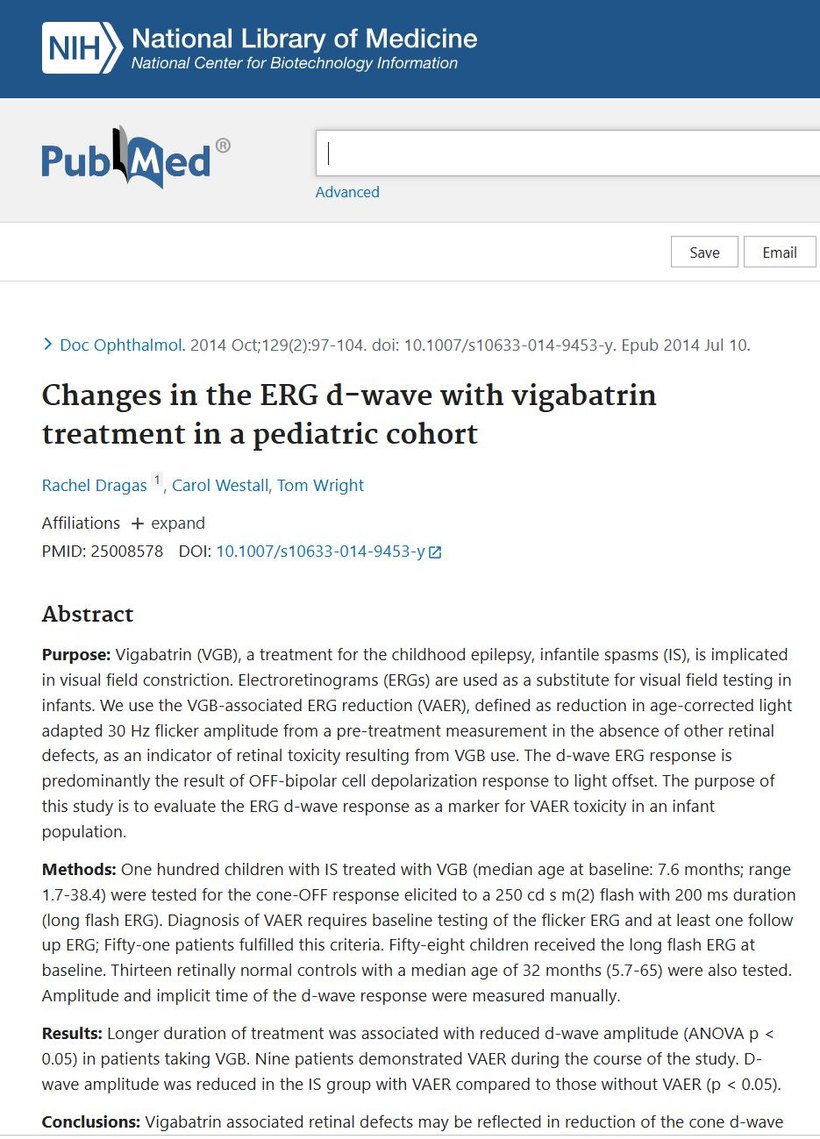
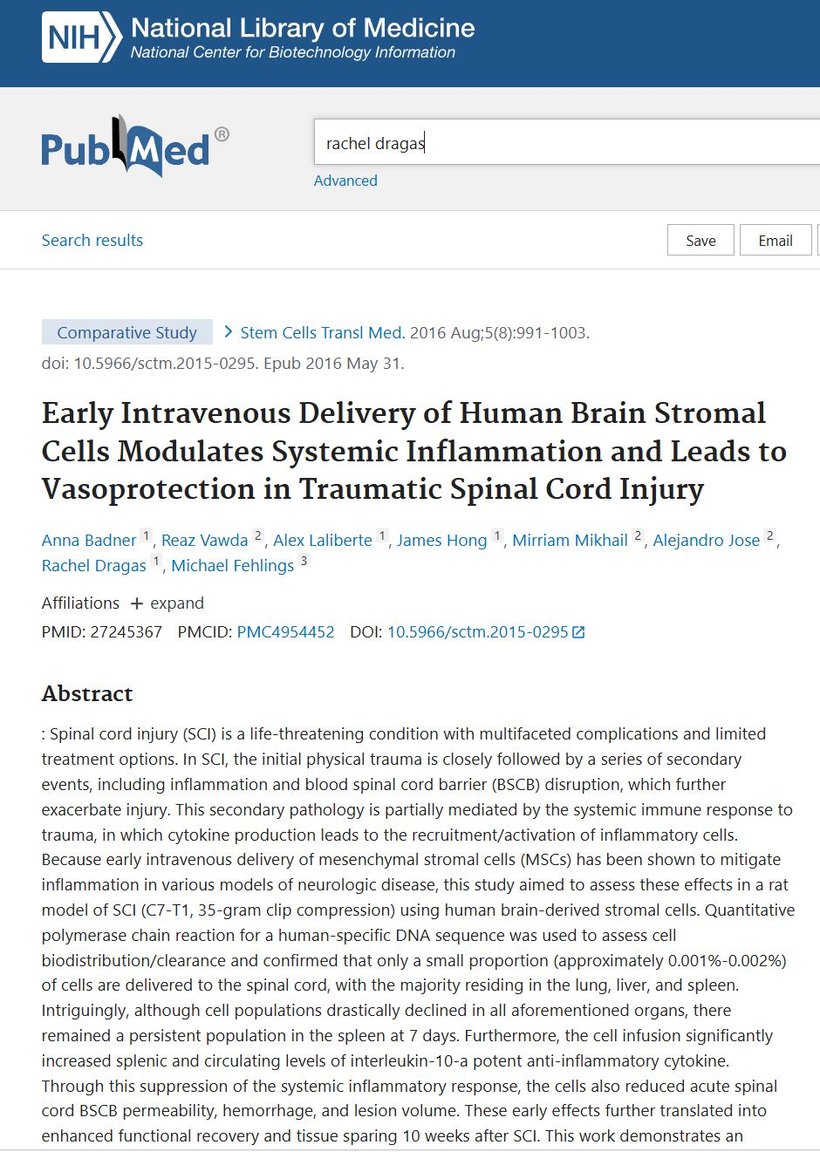
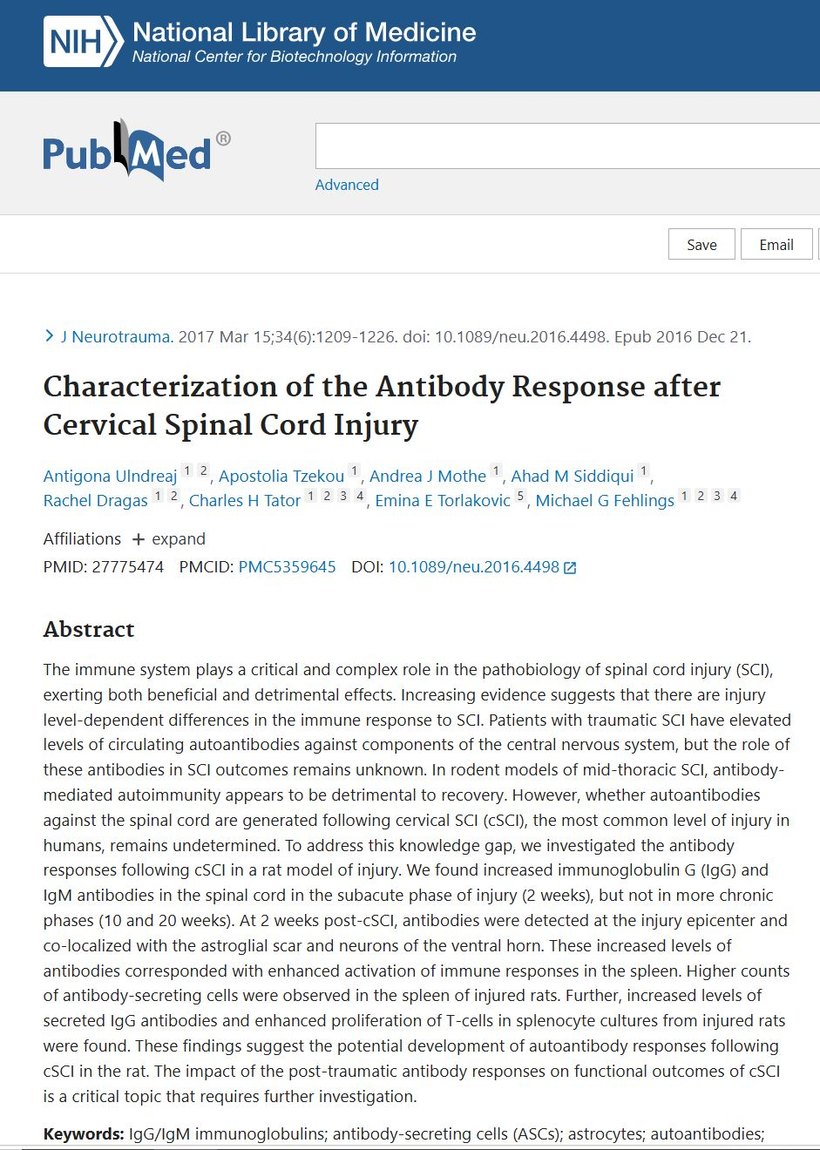
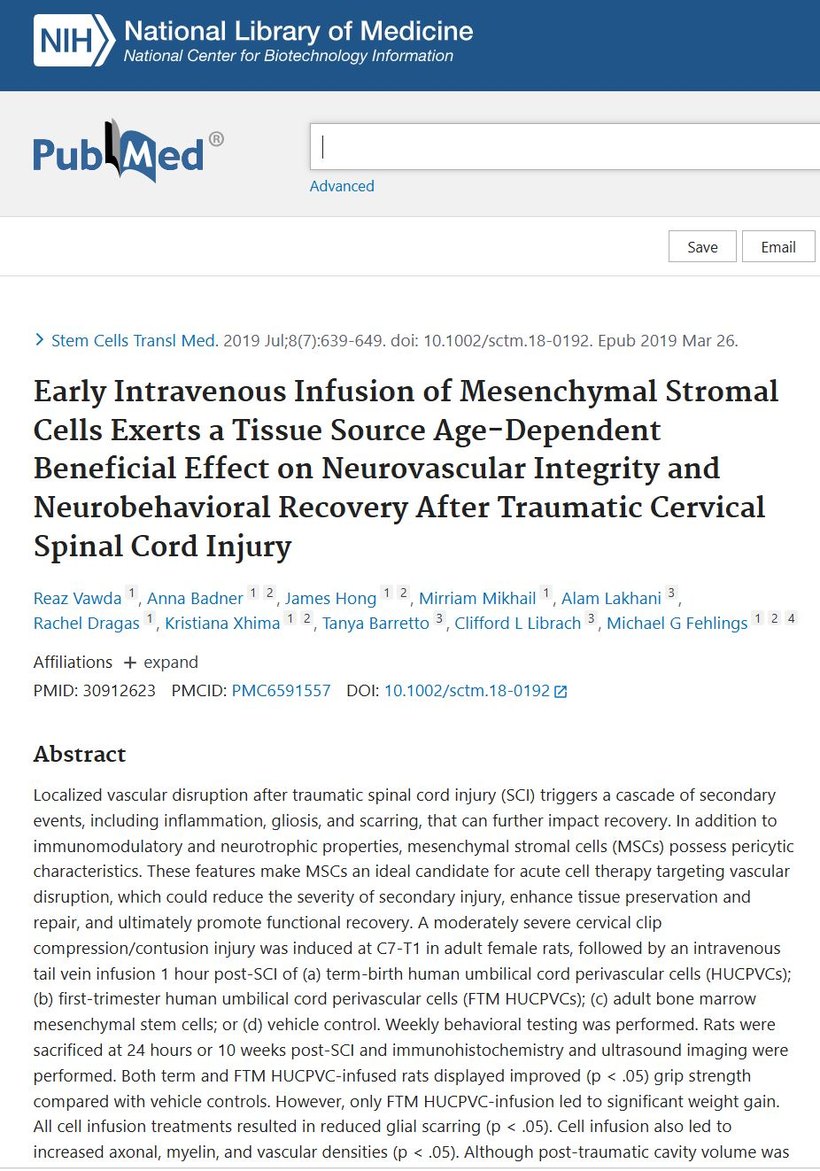
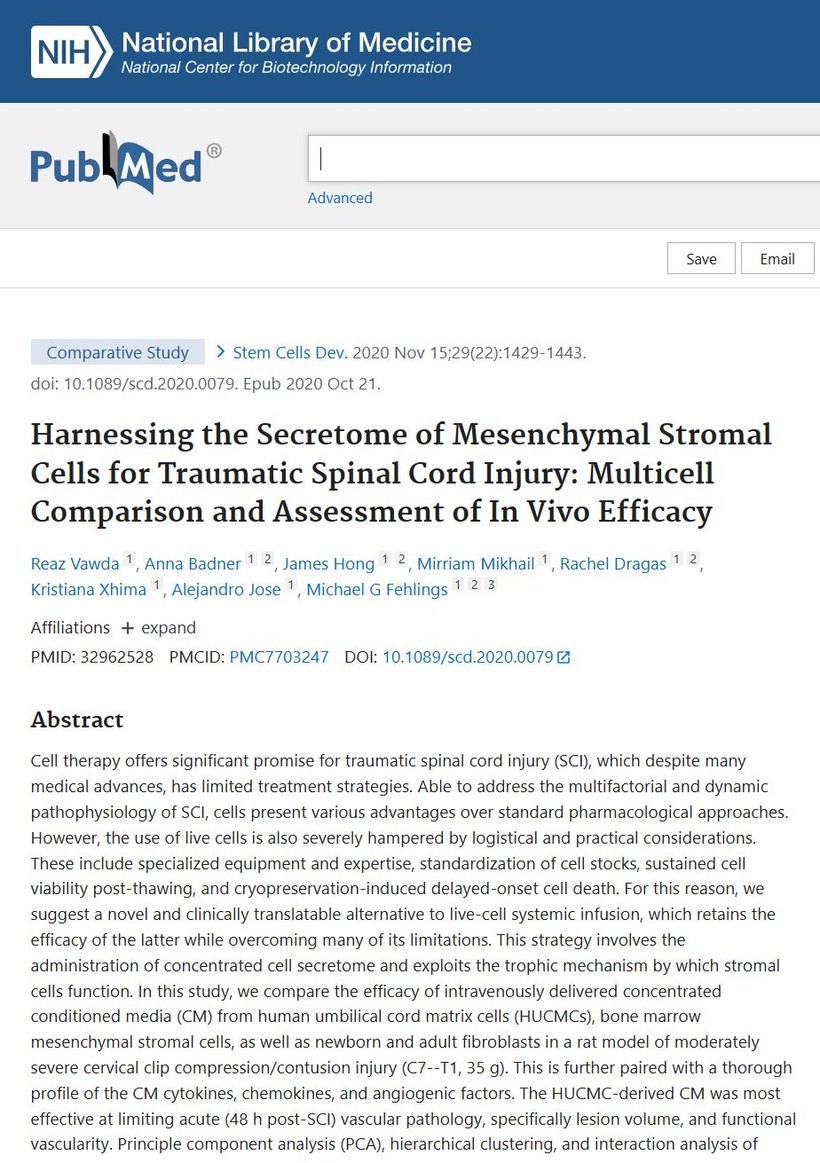
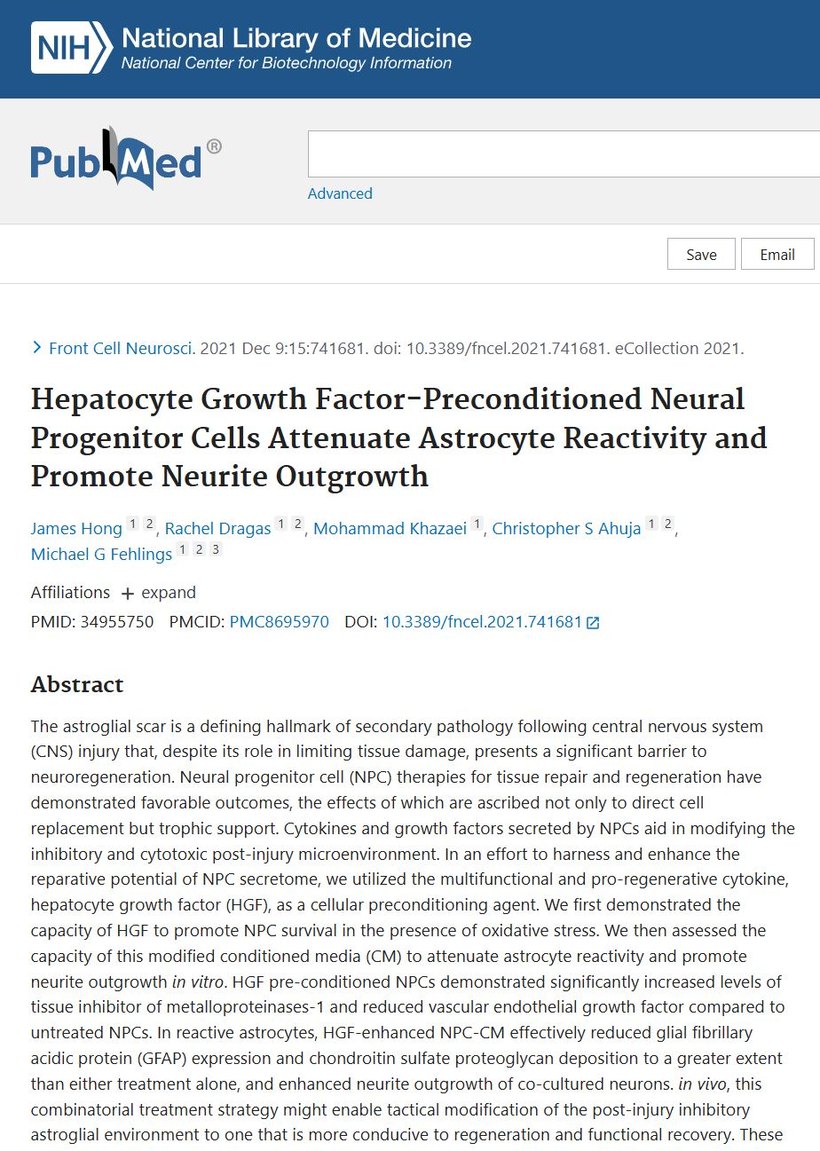
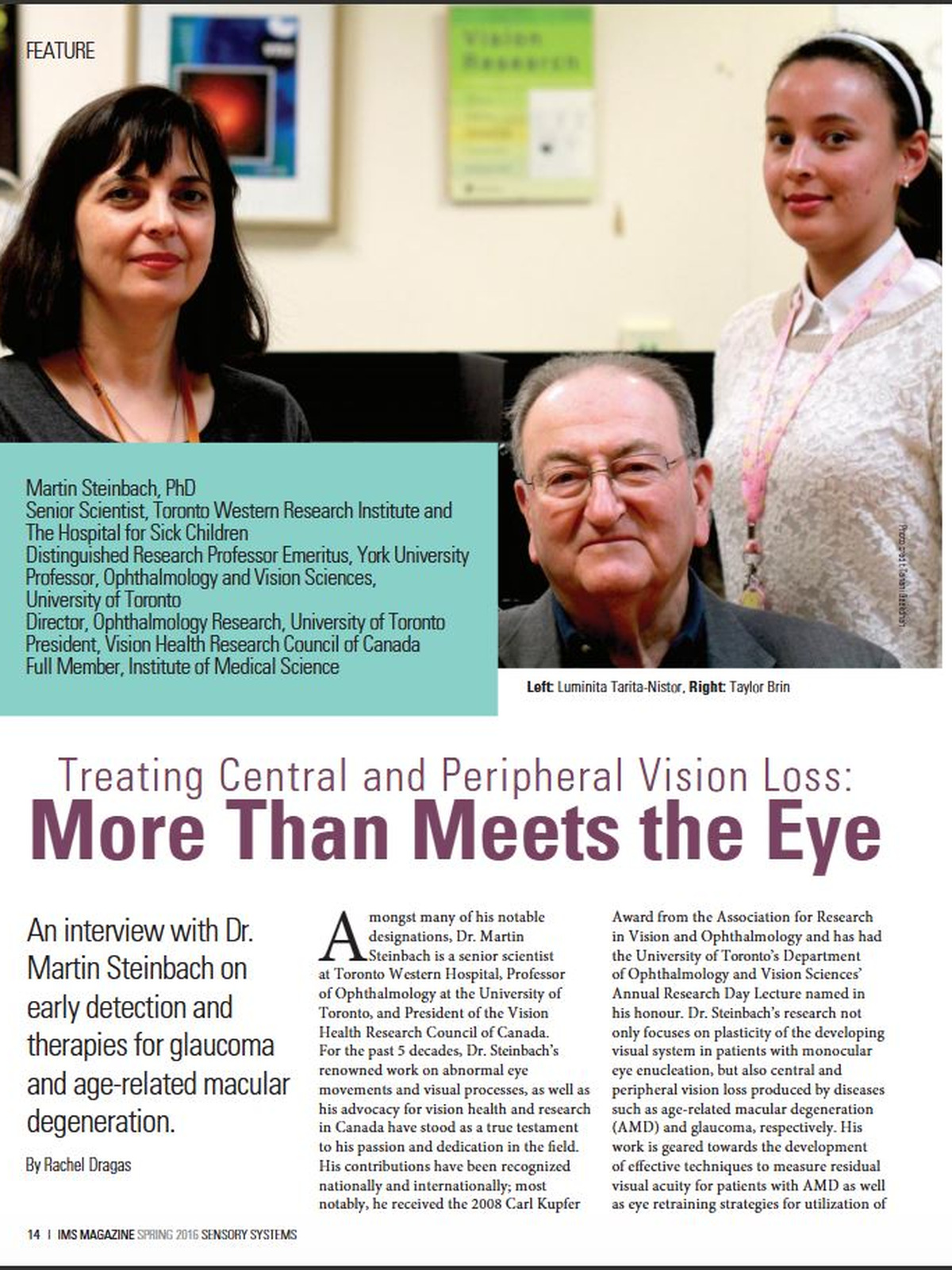
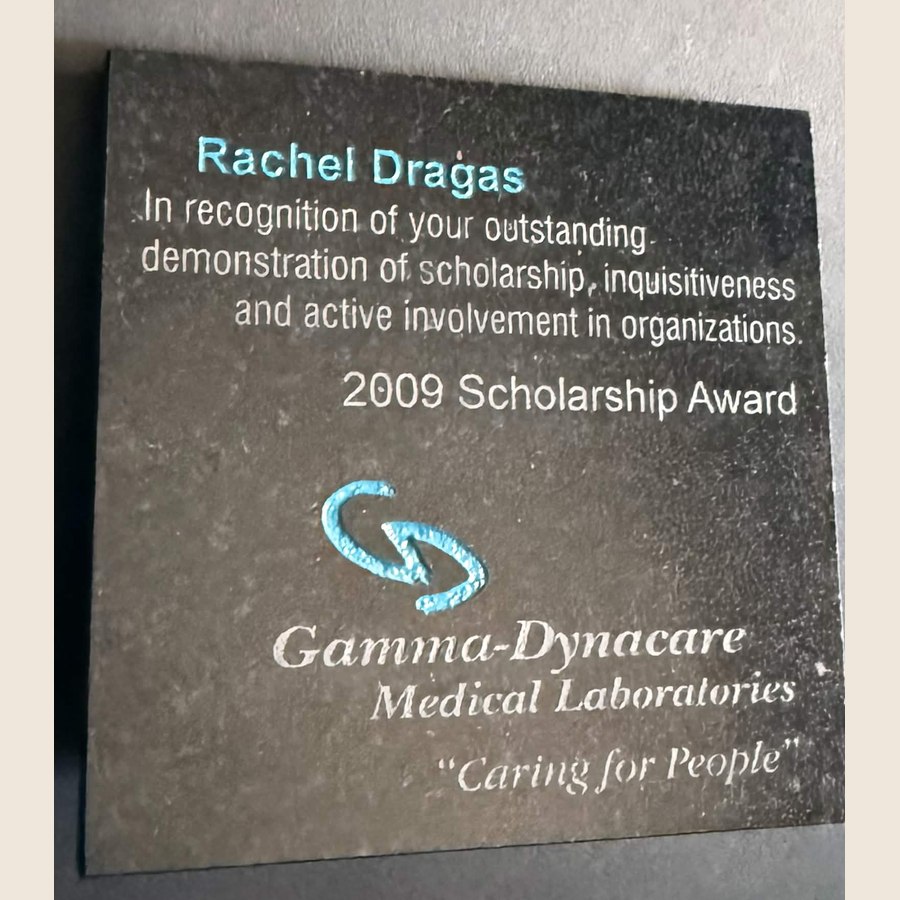
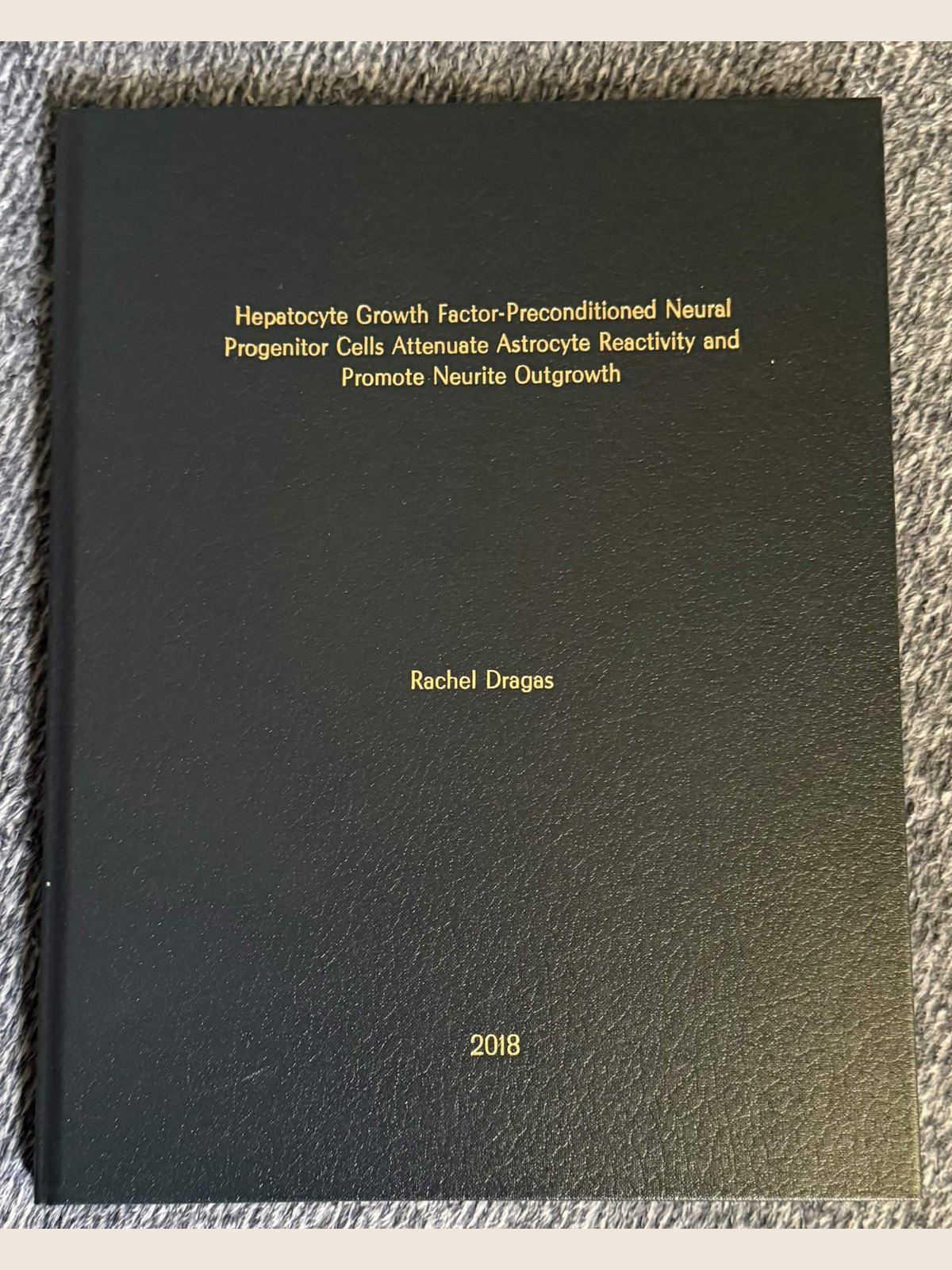
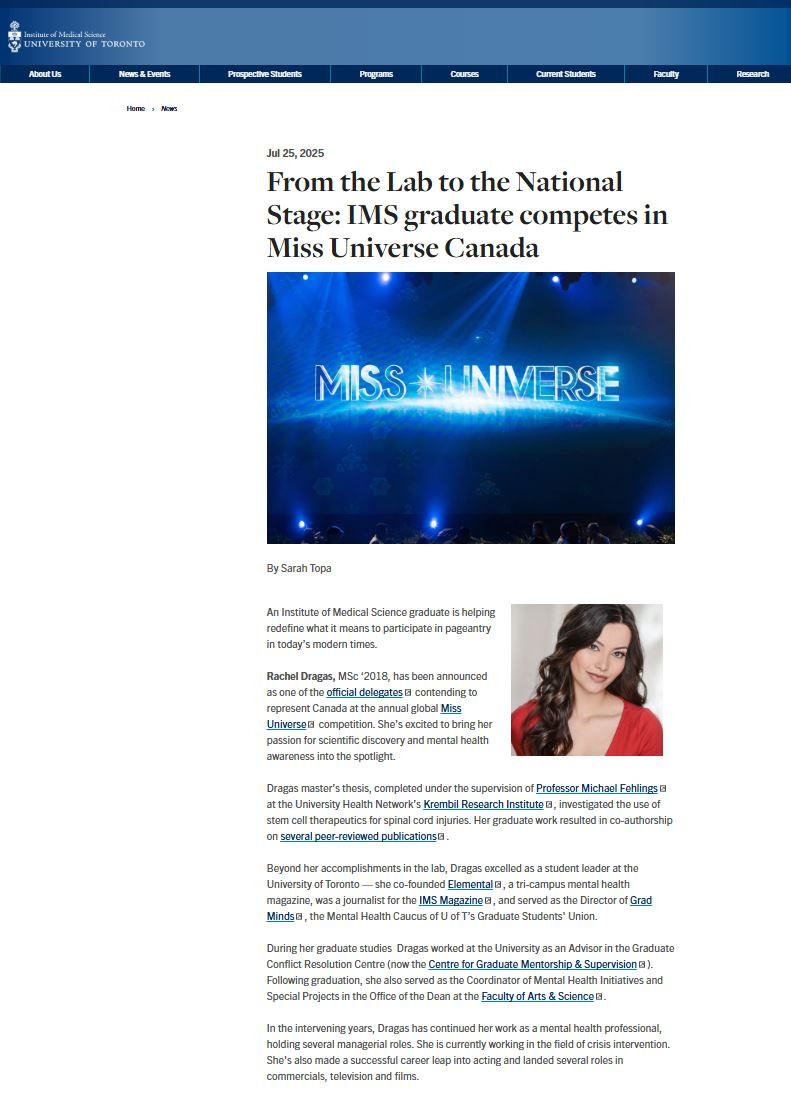
Those papers were not abstractions. The one I led asked how to catch the retinal damage caused by an epilepsy drug in infants, before their sight was quietly lost. The five that followed came out of four years in stem cell therapeutics and regenerative medicine at Toronto Western Hospital, working on cell therapies for traumatic spinal cord injury: whether stromal and neural progenitor cells can protect an injured cord, calm the scarring that blocks repair, and give the central nervous system a real chance to heal. That work is slow and it almost never makes the news. It is also how the needle actually moves for people living with central nervous system injury.
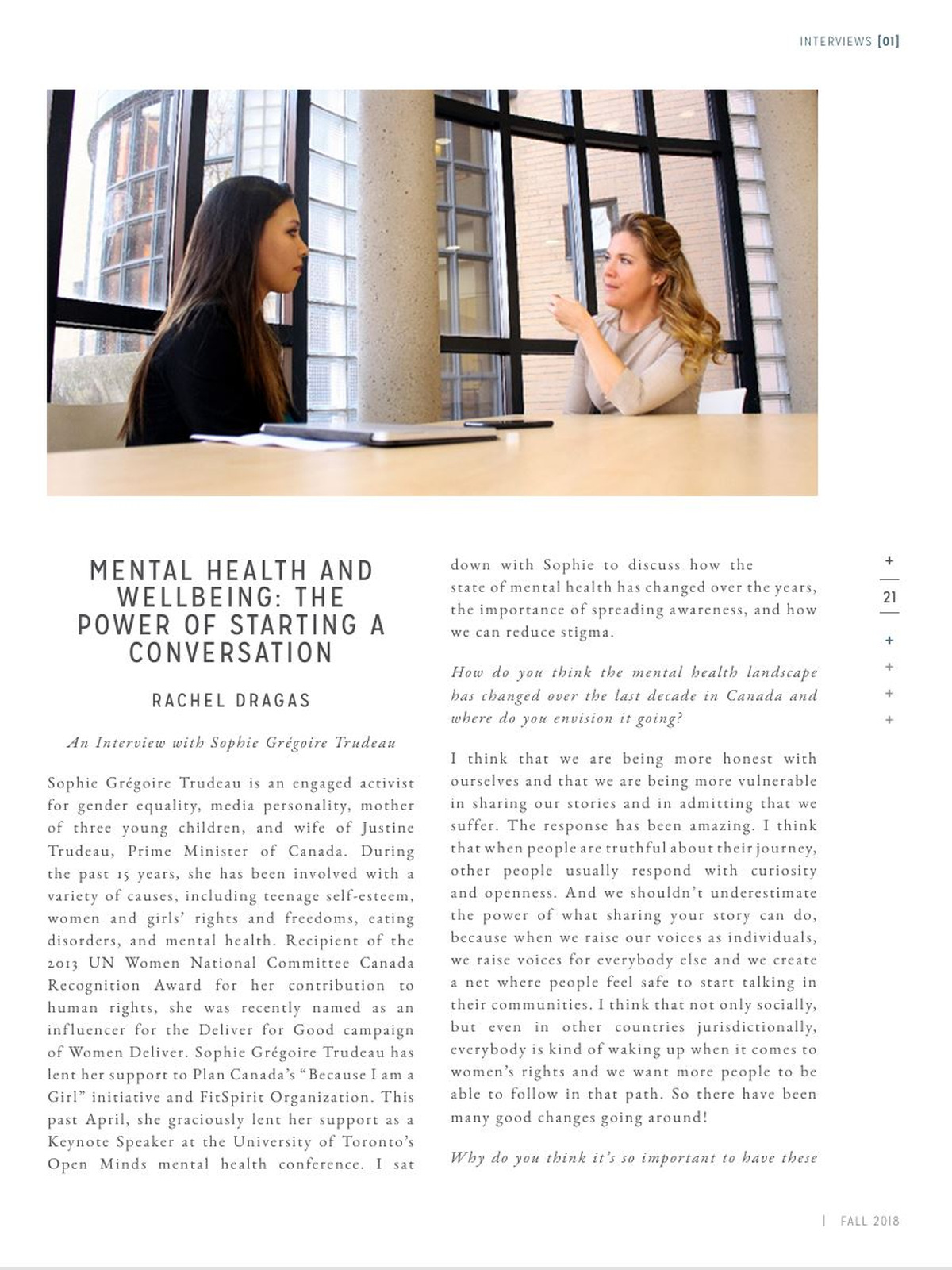
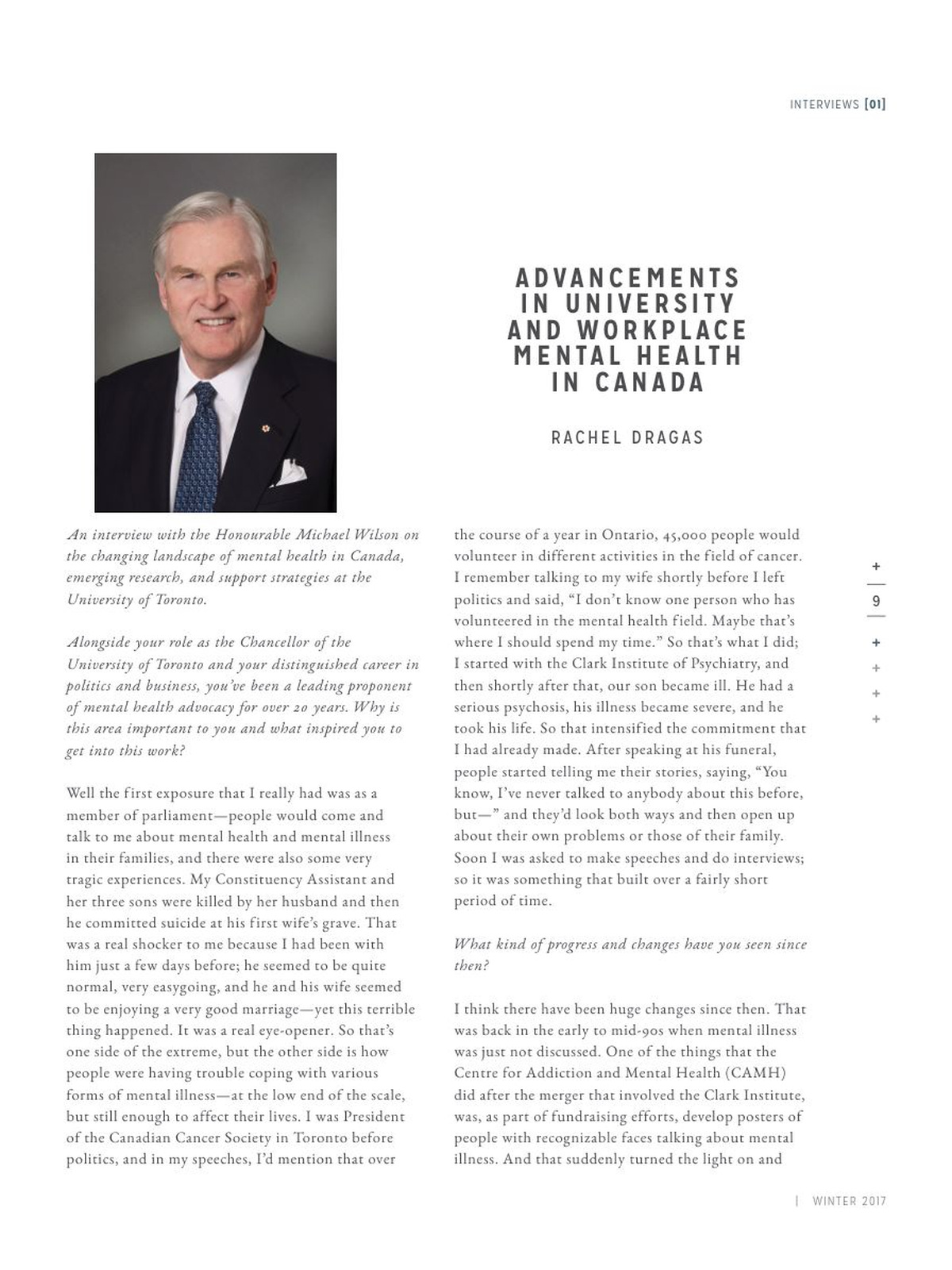
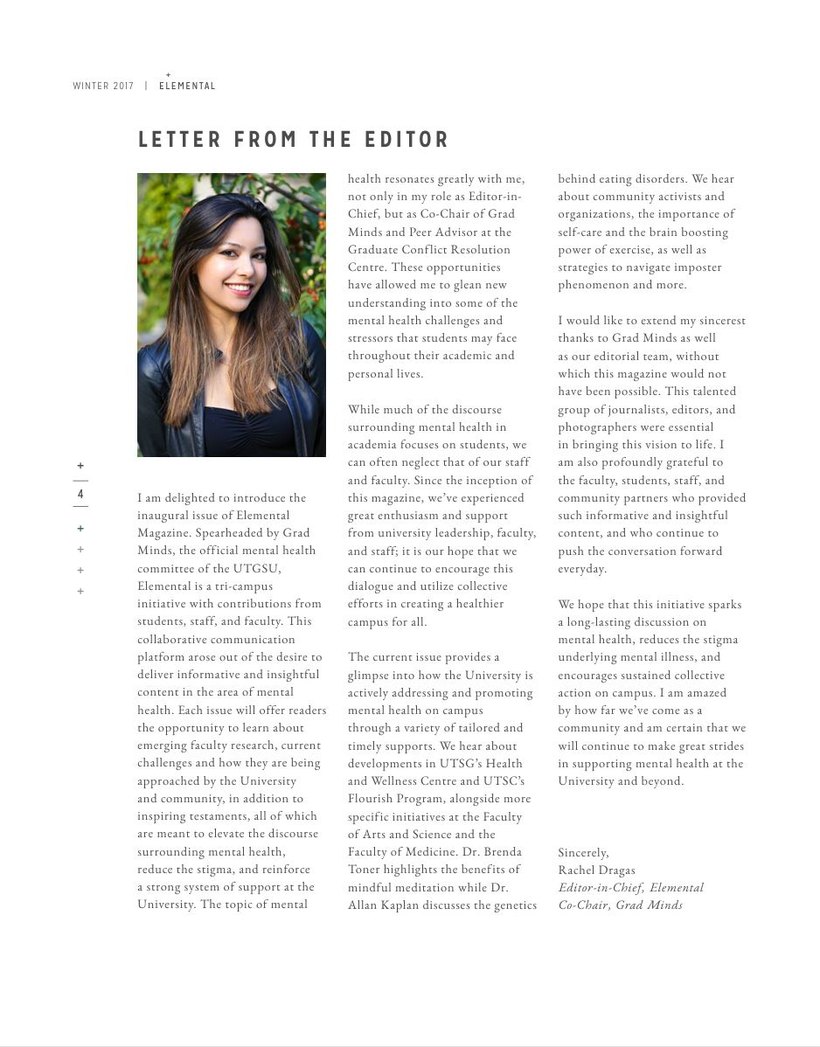
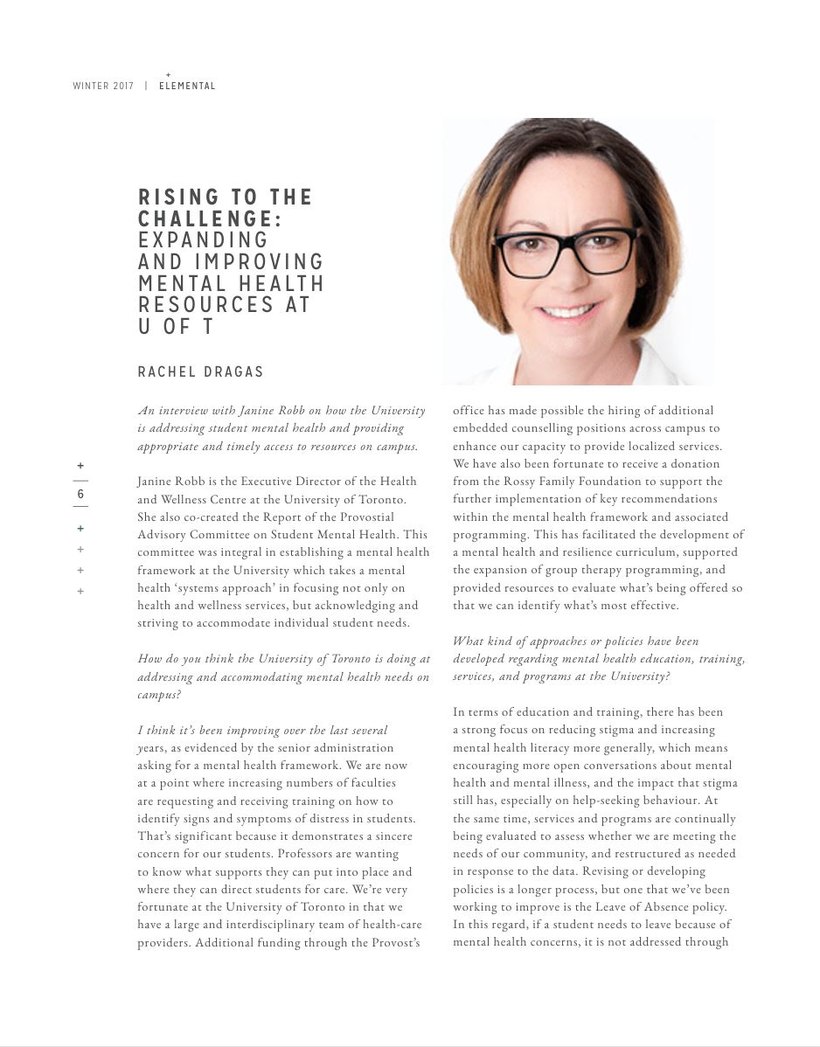
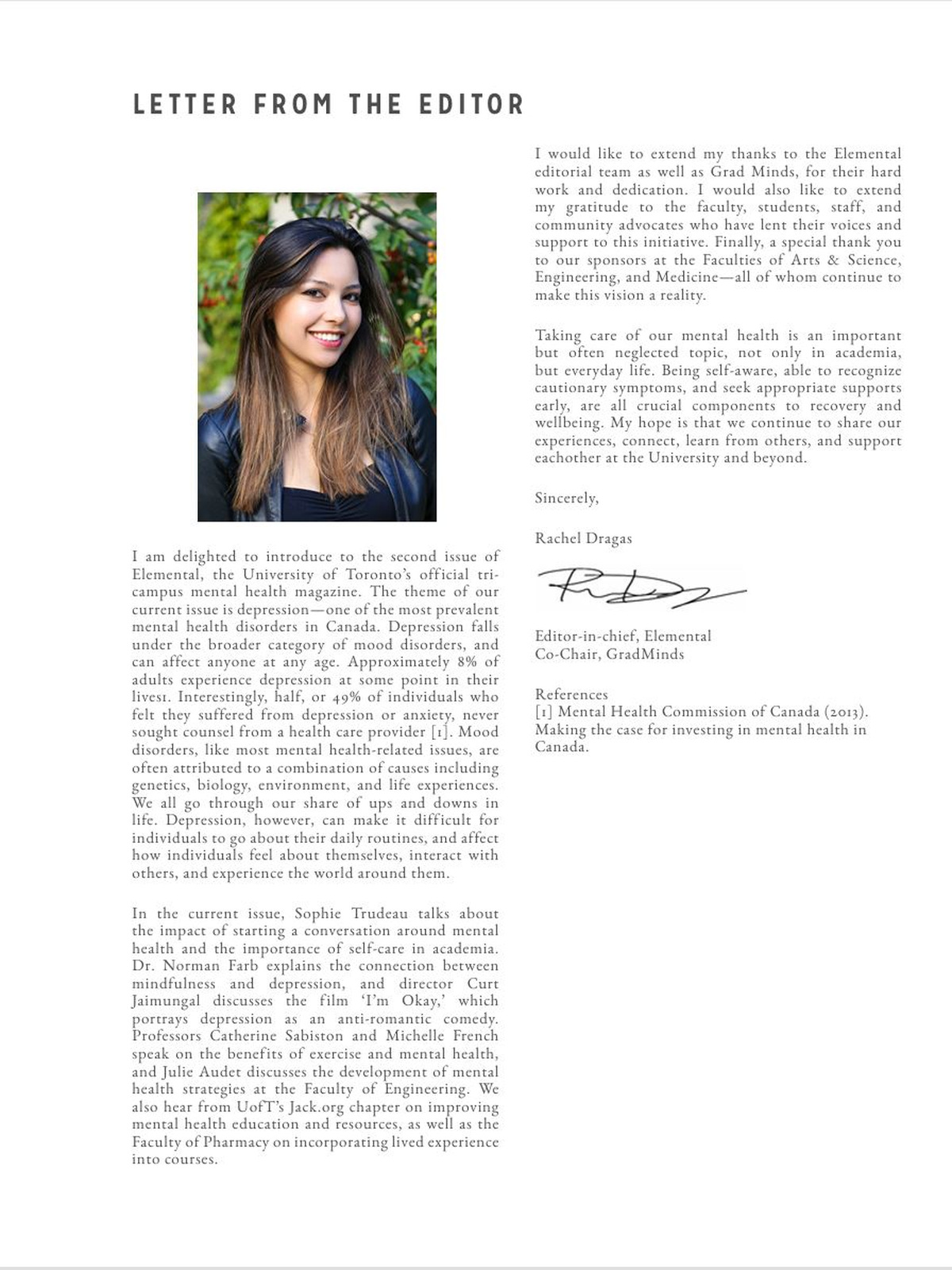
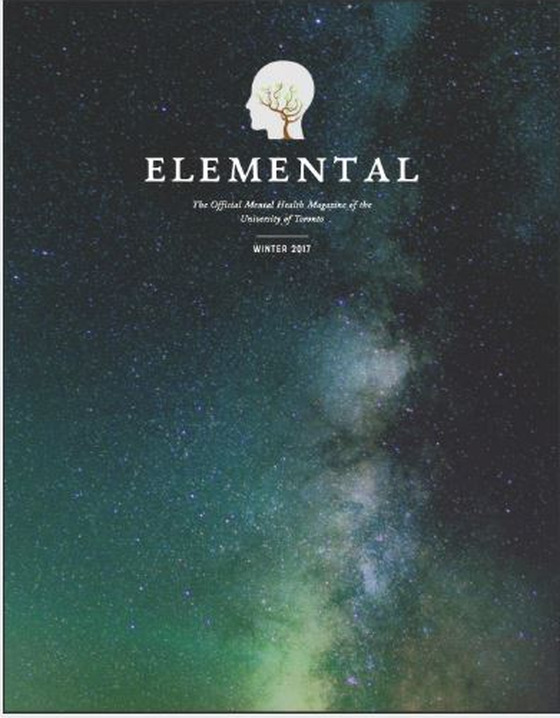
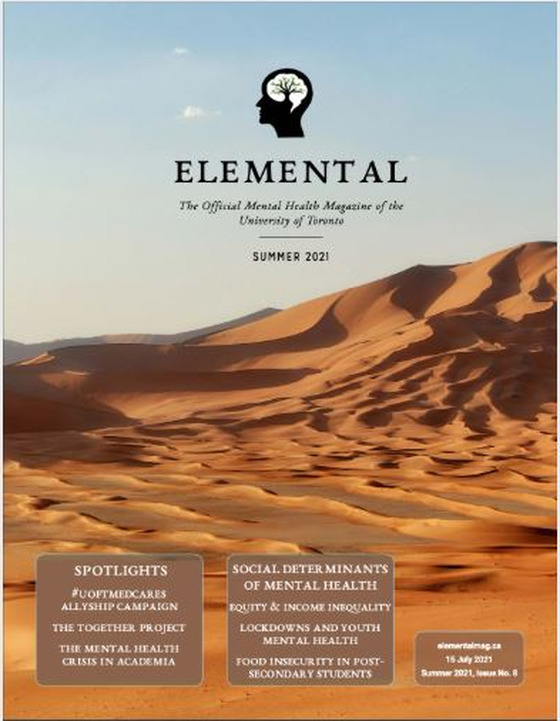
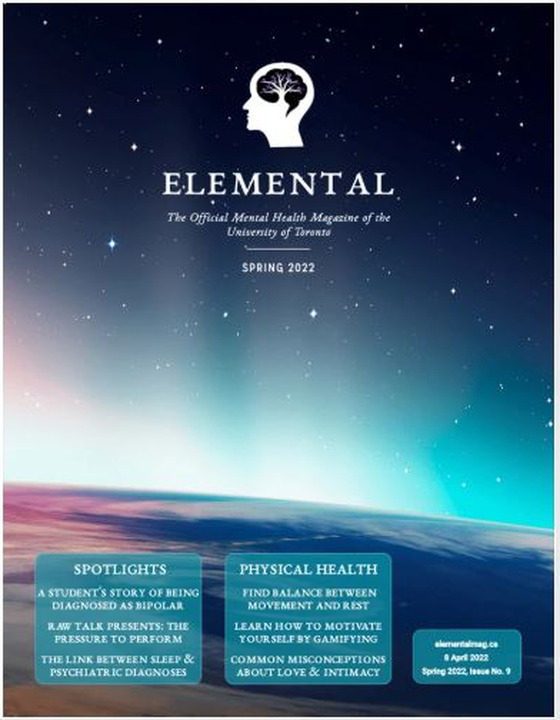
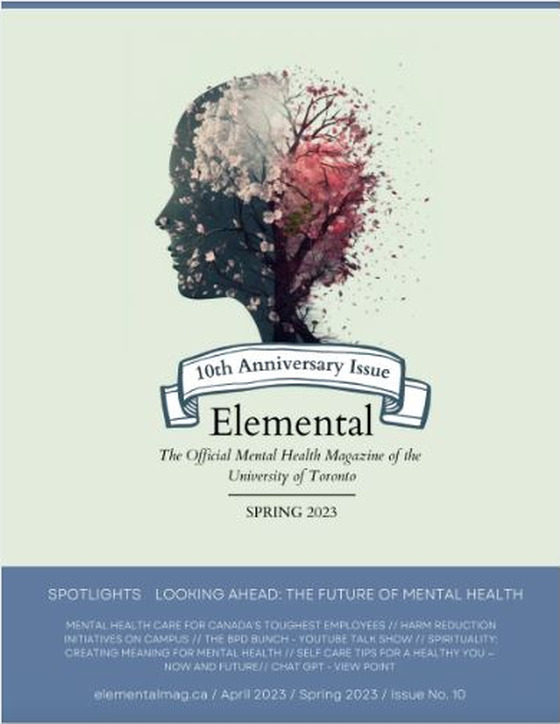
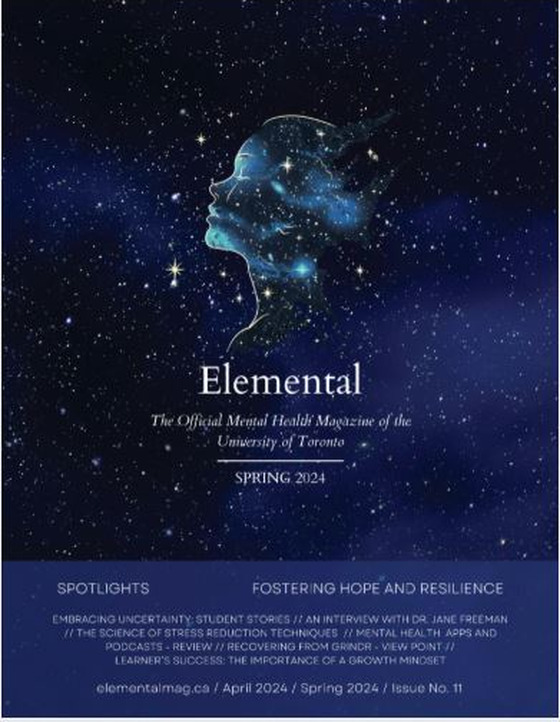
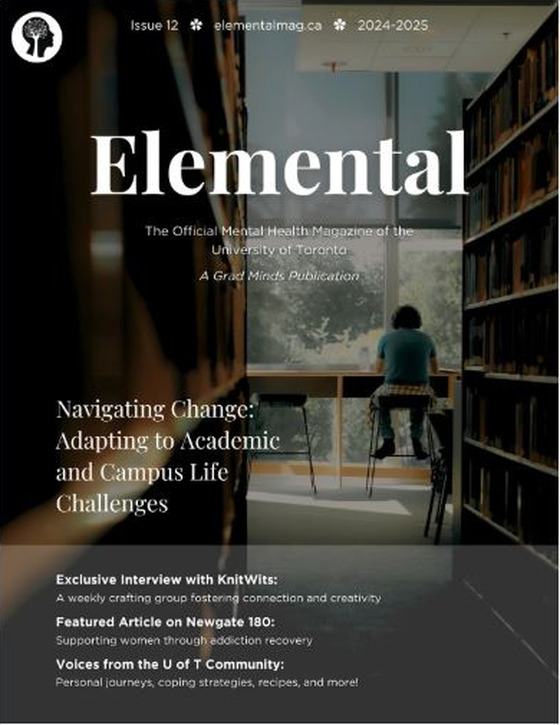
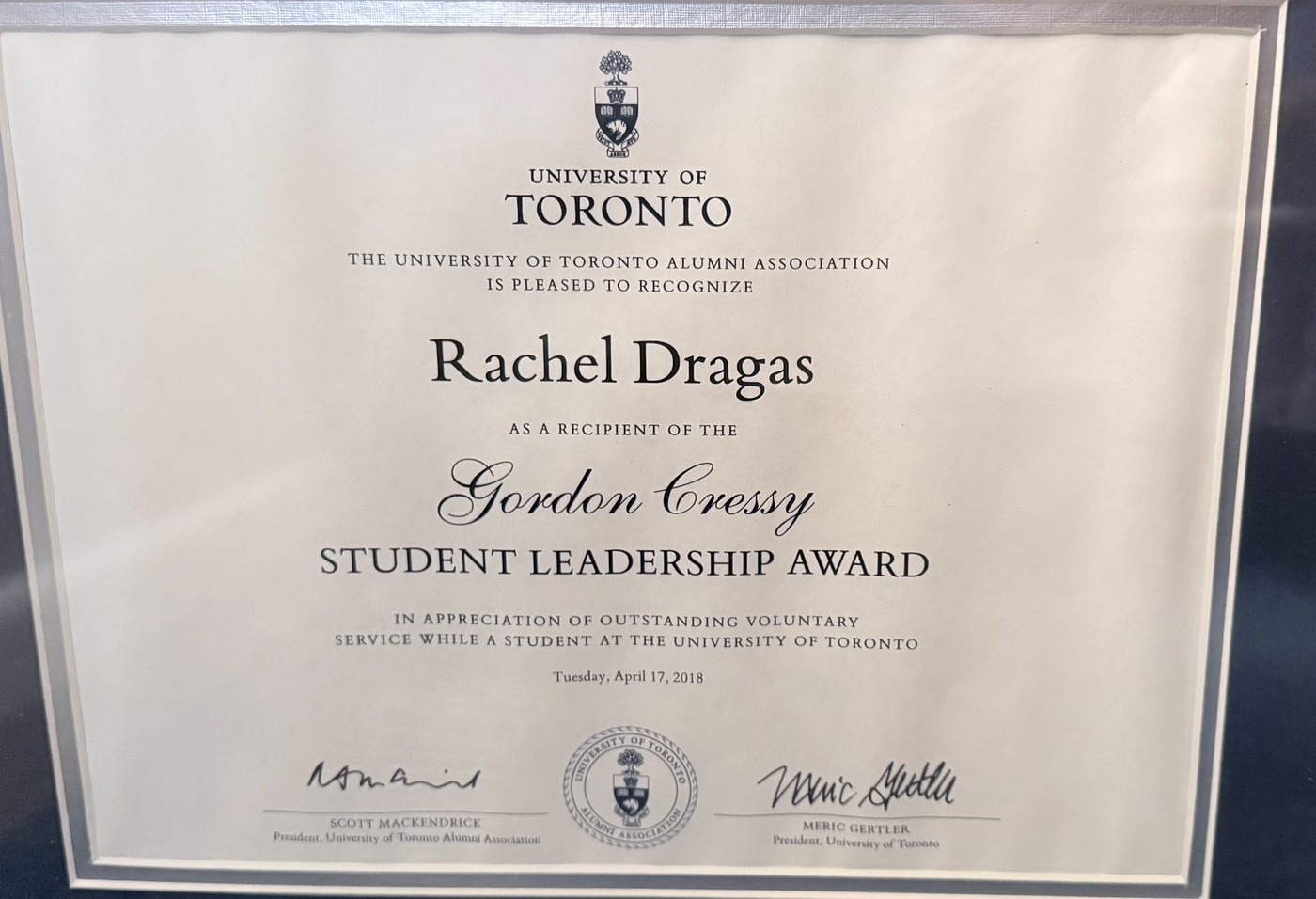
None of it arrived on schedule. My path has been marked as much by rejection and redirection as by achievement, and that is where I learned to build. Most of the initiatives I have led did not exist until I found the gap and made the case for filling it. I founded a magazine at the largest University in Canada because students, faculty, and staff had nowhere to talk about mental health. I chaired Grad Minds at the University of Toronto, because that conversation needed a seat at the table. The support came after the work, not before it.
I have been told no more often than I have been told yes. I have sometimes been the only woman in the room, the only scientist in the room, and more than once the only person who looked nothing like what that room expected. For a long time I read that as a verdict. Now I read it as information.
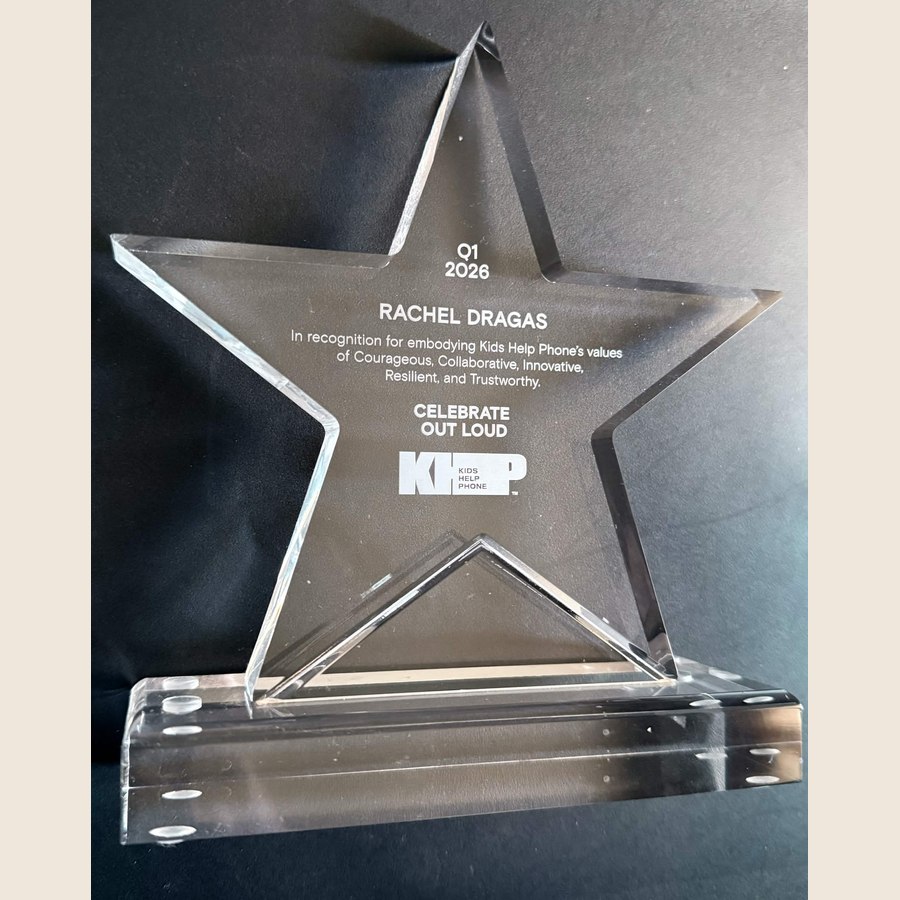
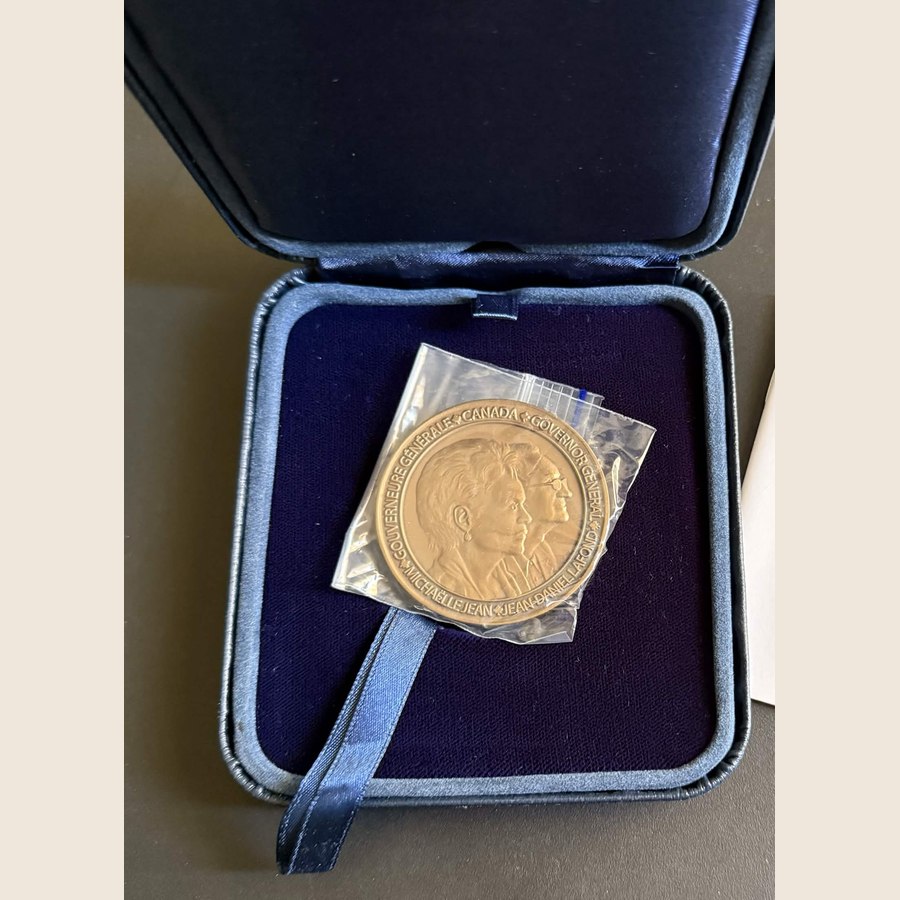
And the support did come. Not first, but eventually, and at every level. The largest University in Canada backed a magazine started by one of its graduate students. The Government of Ontario funded a $1.1M project and I helped carry it through a pandemic without missing a goal. I then supported the rollout of a $50M national program funded by the Government of Canada. Two former First Ladies of Canada, and a former federal Minister of Finance who chaired the Mental Health Commission of Canada, lent their names to work that began with a student and an idea. None of them came because I asked. They came because the work was already standing.
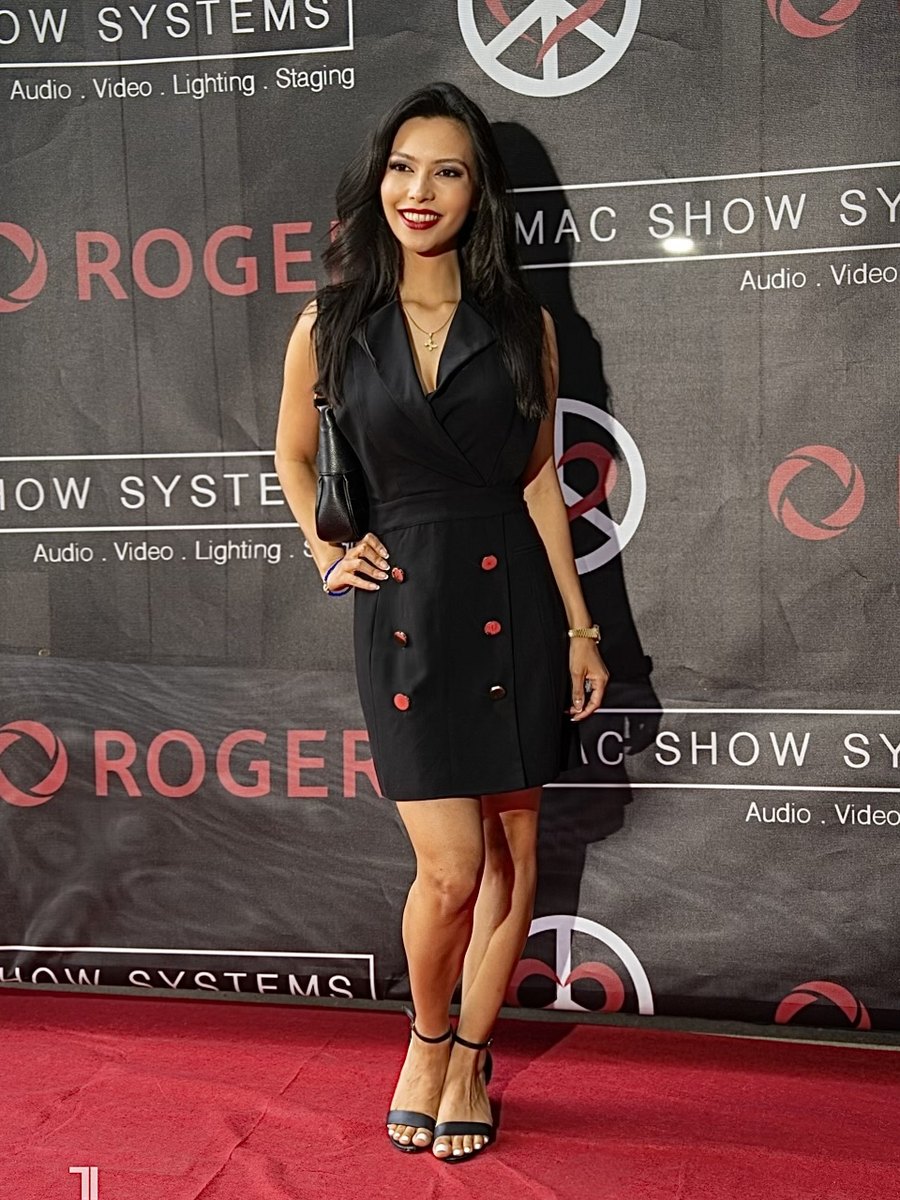
I did that inside STEM, a field still overwhelmingly male, while also working as an actor, a field that rarely expects a scientist. A woman does not have to choose one lane to make lasting change. The unexpected becomes possible the moment you stop asking permission.
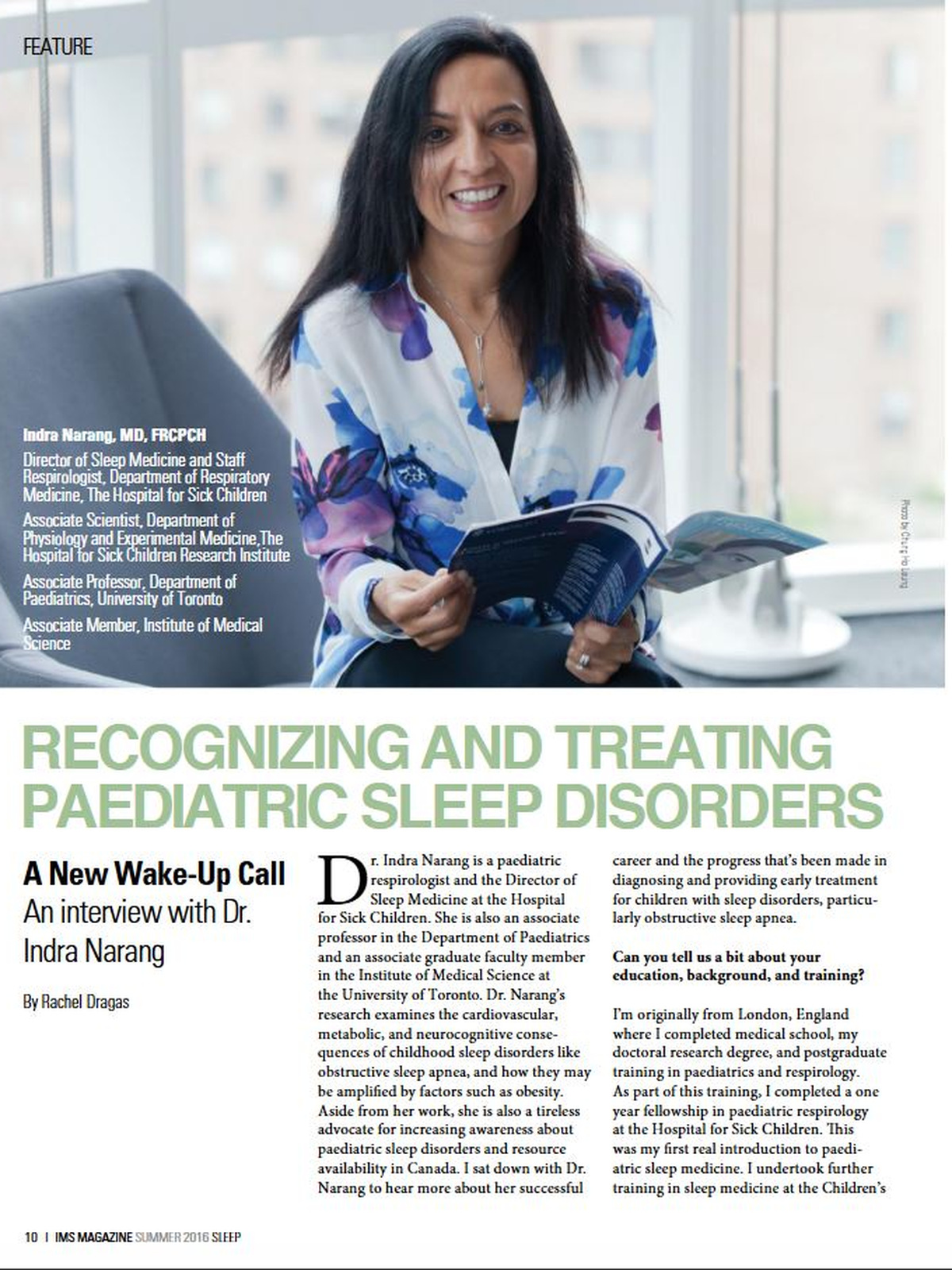
And this work matters more now than it ever has. One in five Canadians will experience a mental illness this year. By the age of forty, it is one in two. Eleven Canadians will die by suicide today, and three quarters of the people quietly struggling would not tell their own employer a word of it. As a Crisis Intervention and Mental Health Lead, I know precisely what the silence costs, because I hear it before anyone else does.
I am not looking to add more roles. I want to make a bigger impact in each one, and prove that intellect, artistry and advocacy can share a single platform.
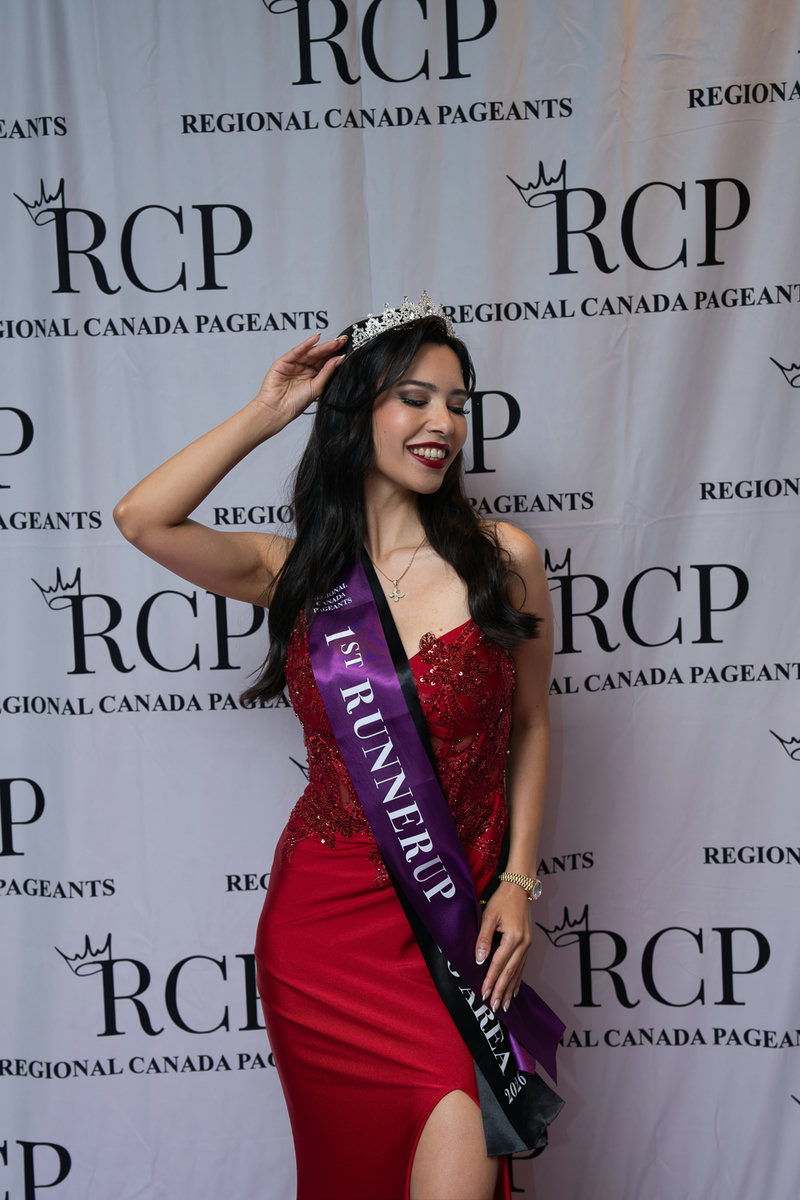
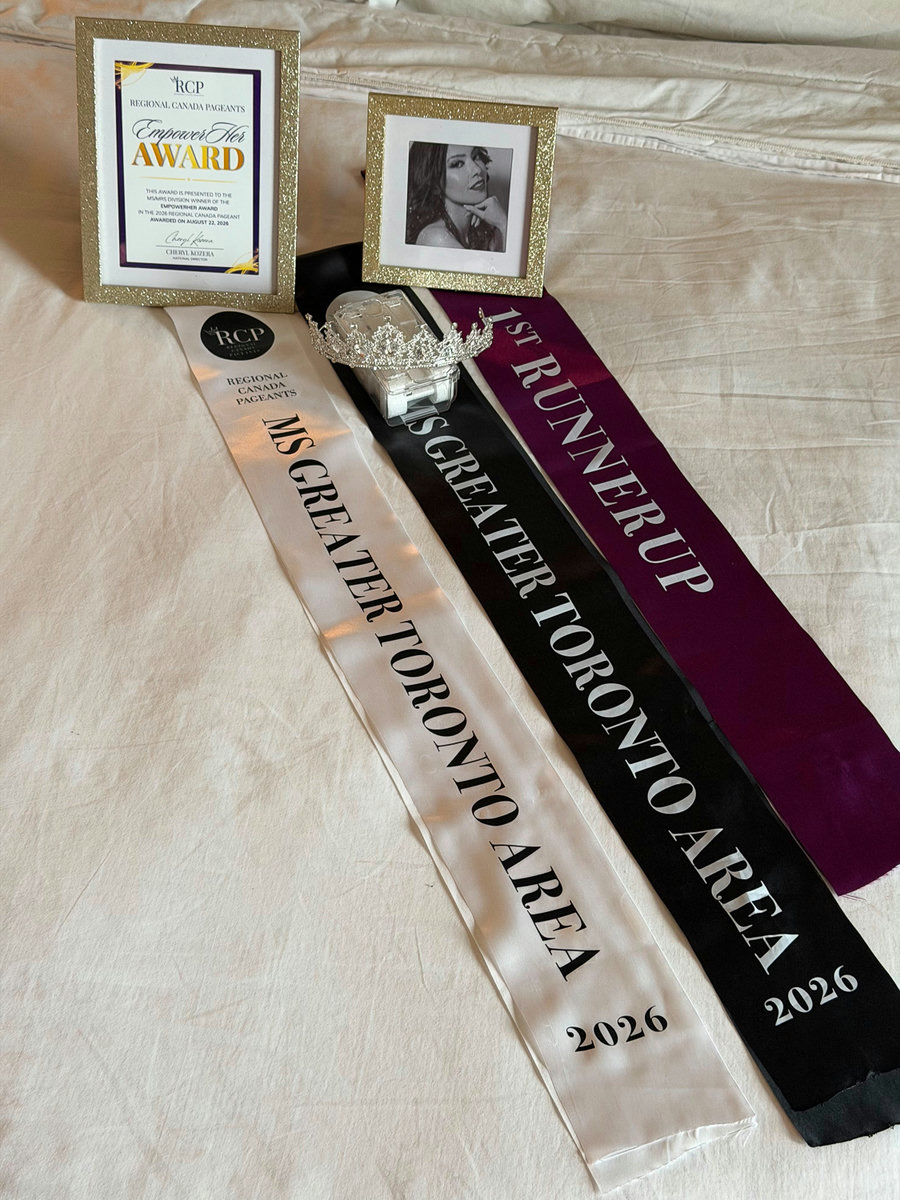
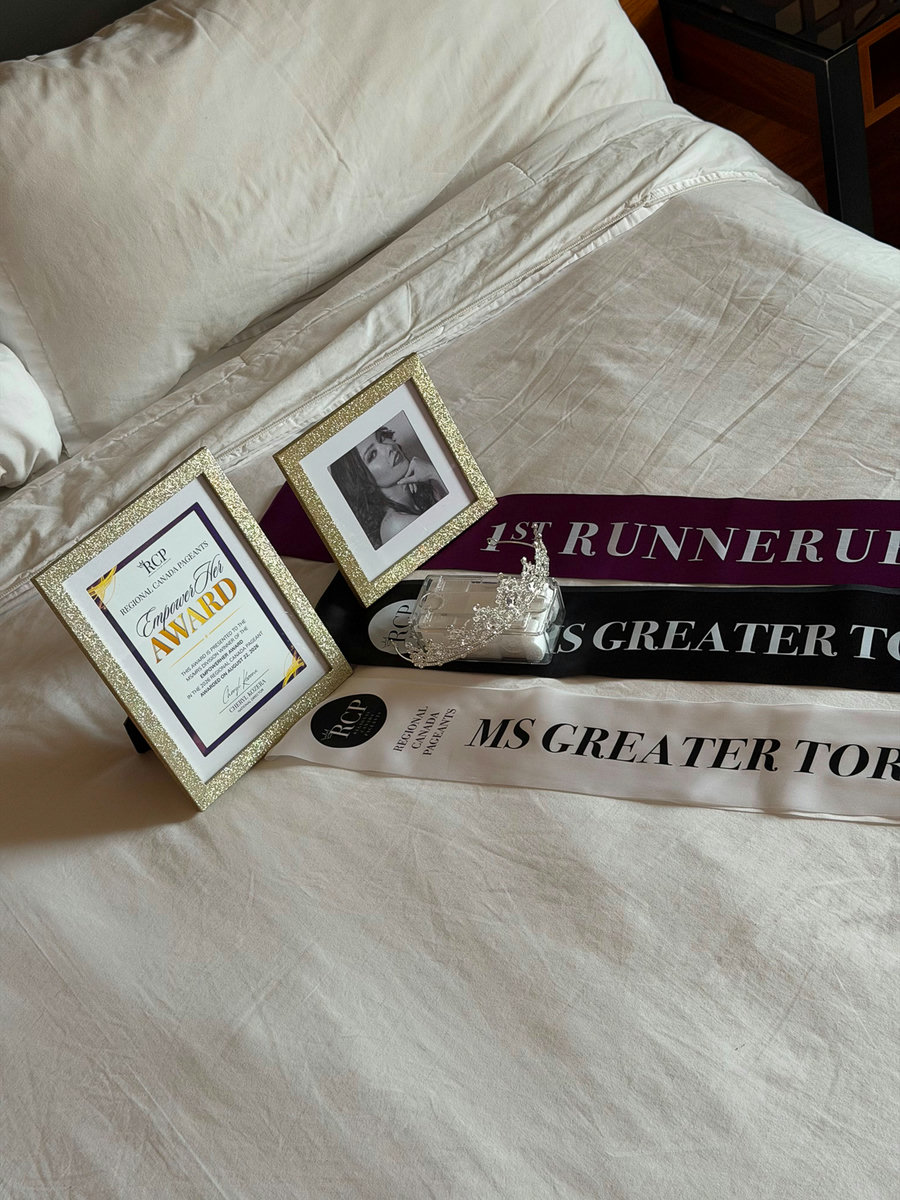
Competing at Miss Universe Canada let me stand alongside inspiring women, amplify my humanitarian work in mental health, and challenge long-standing stereotypes about pageantry and about women in STEM.